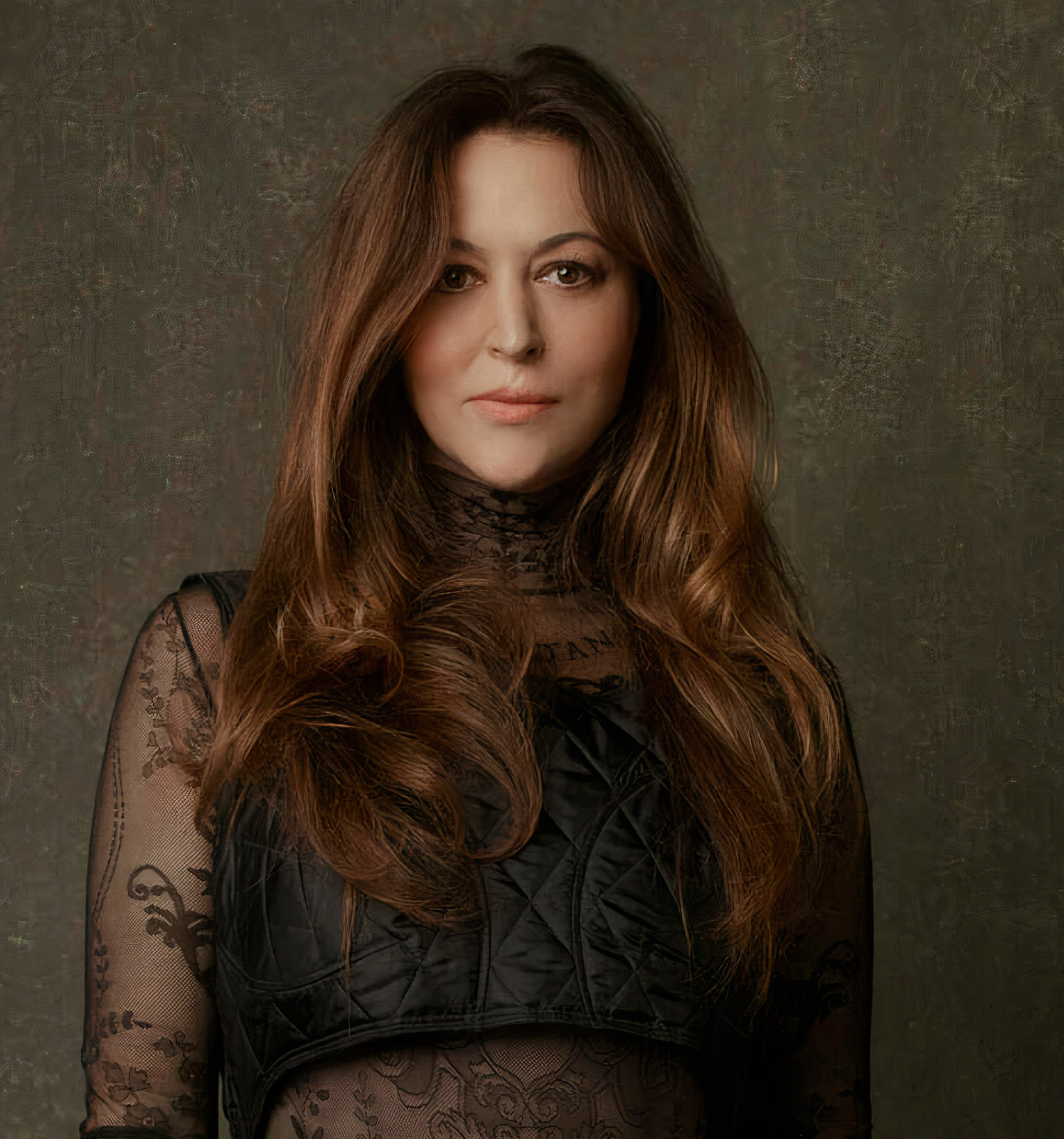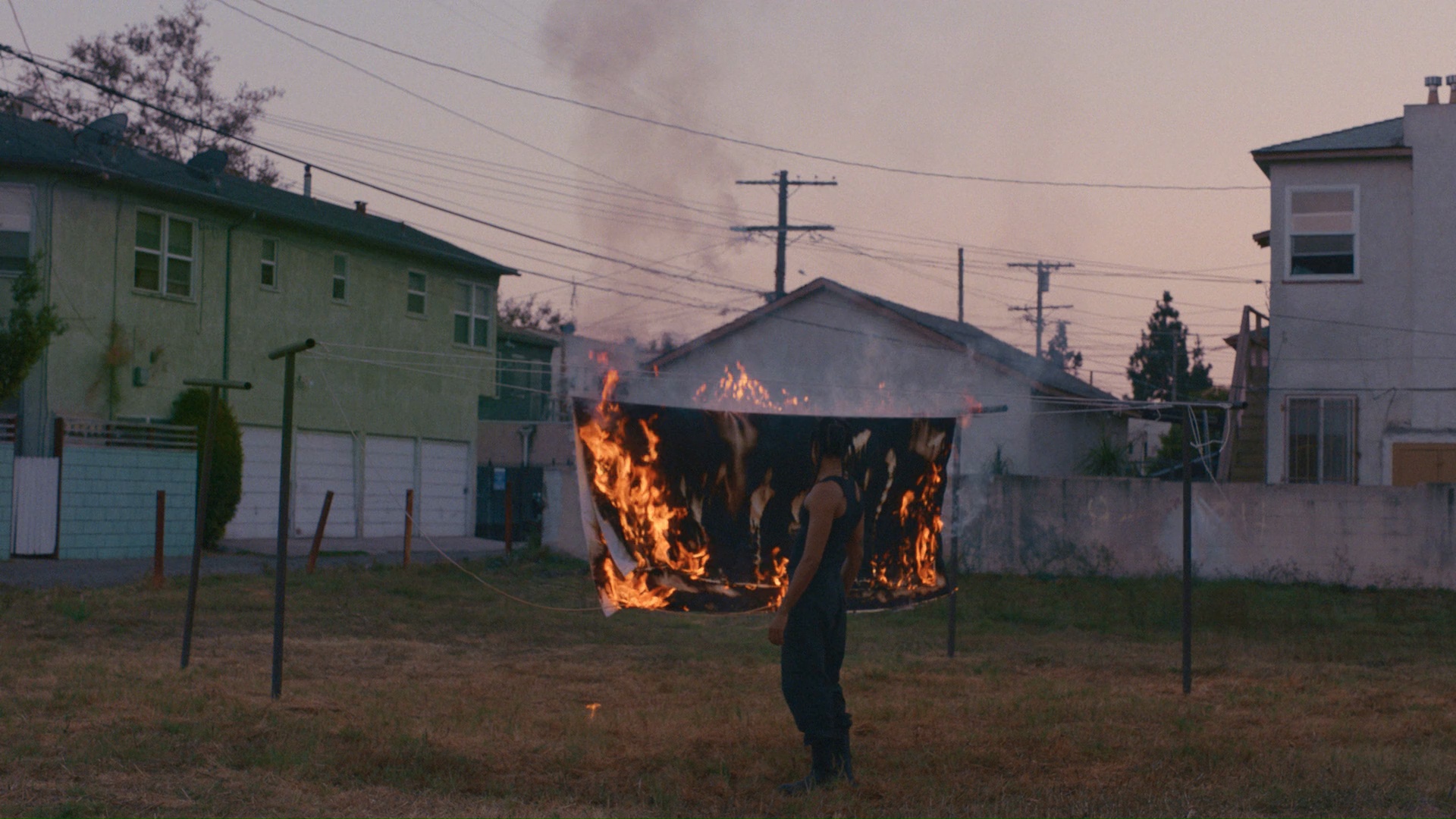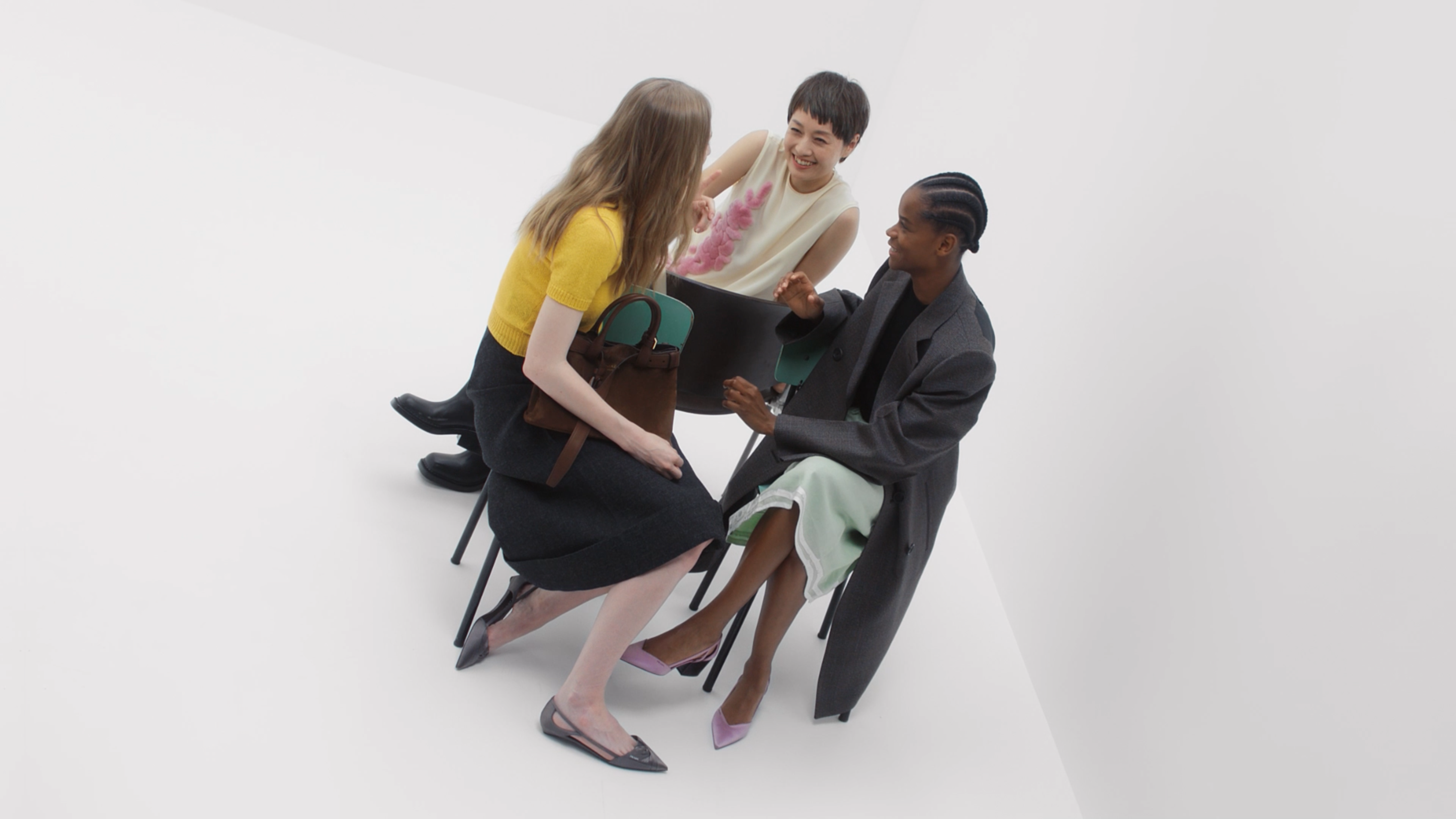
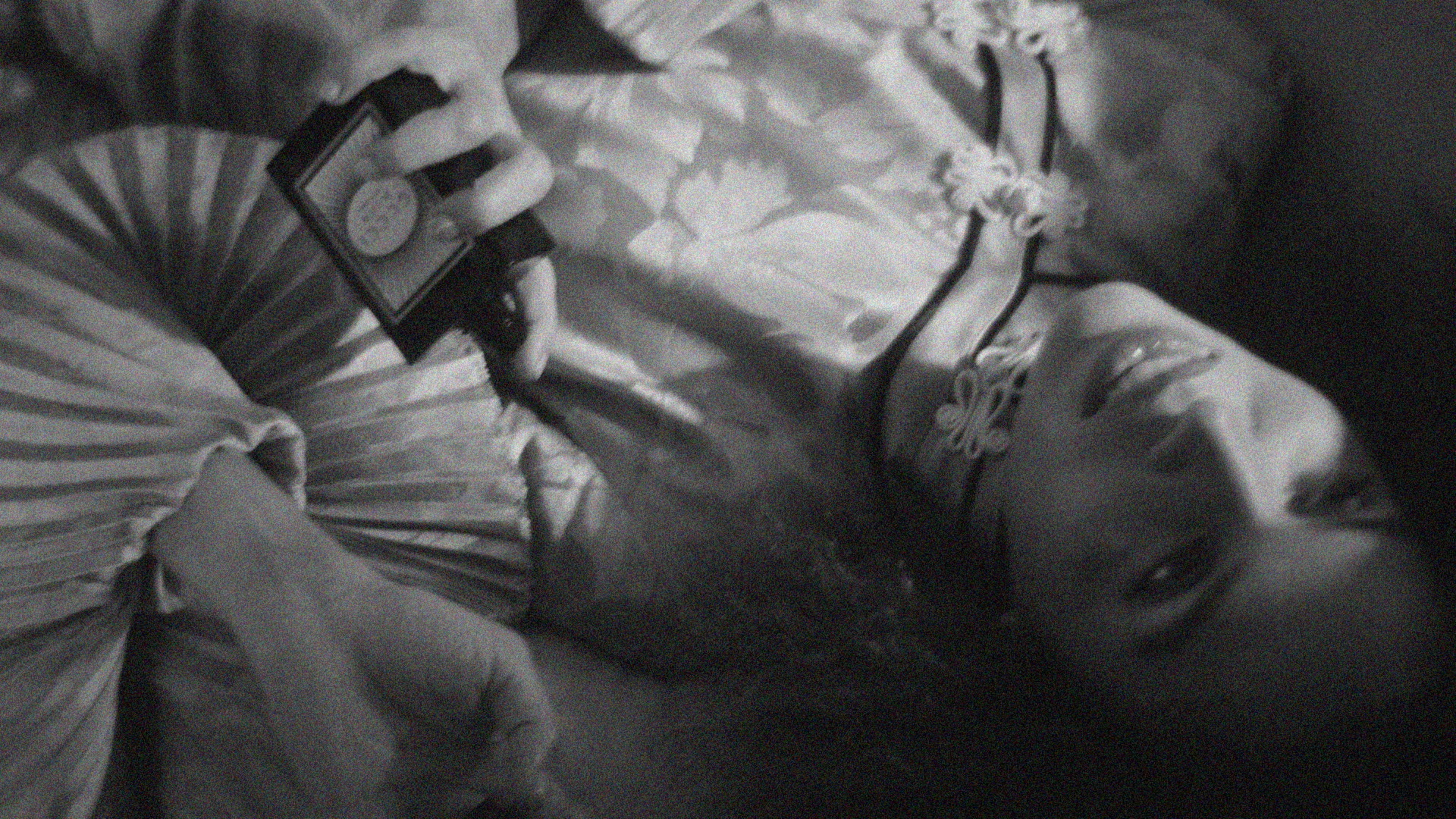
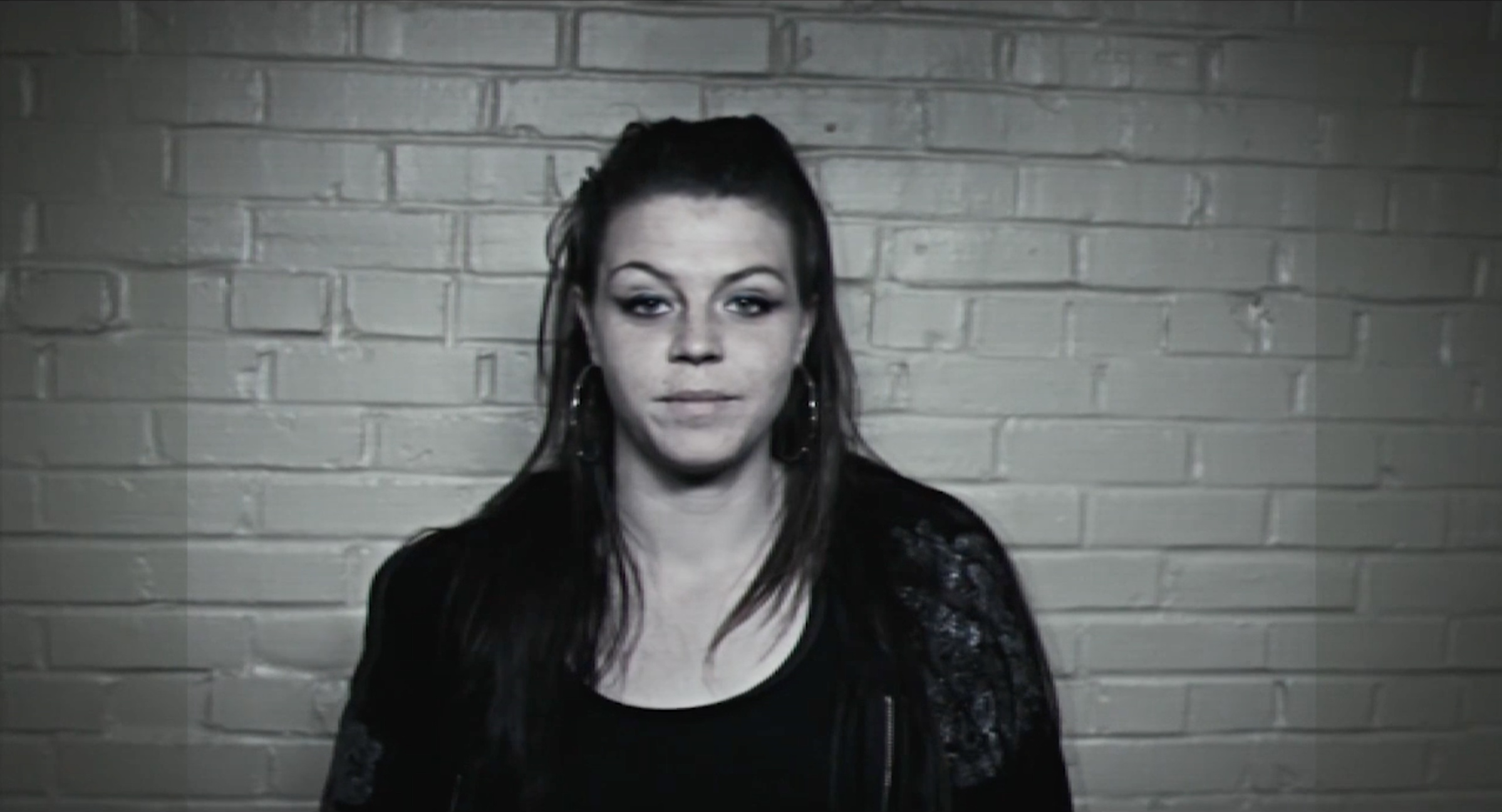
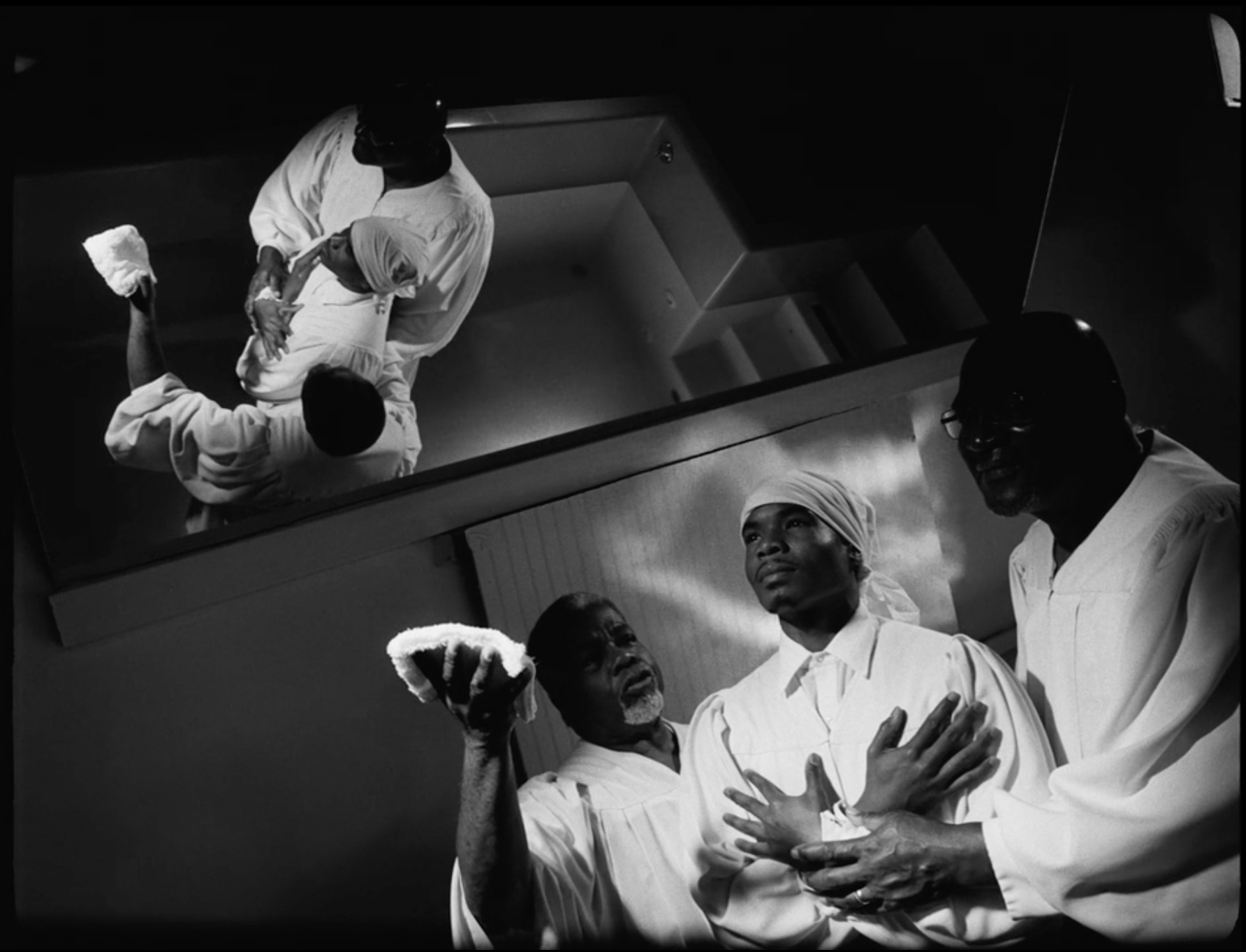
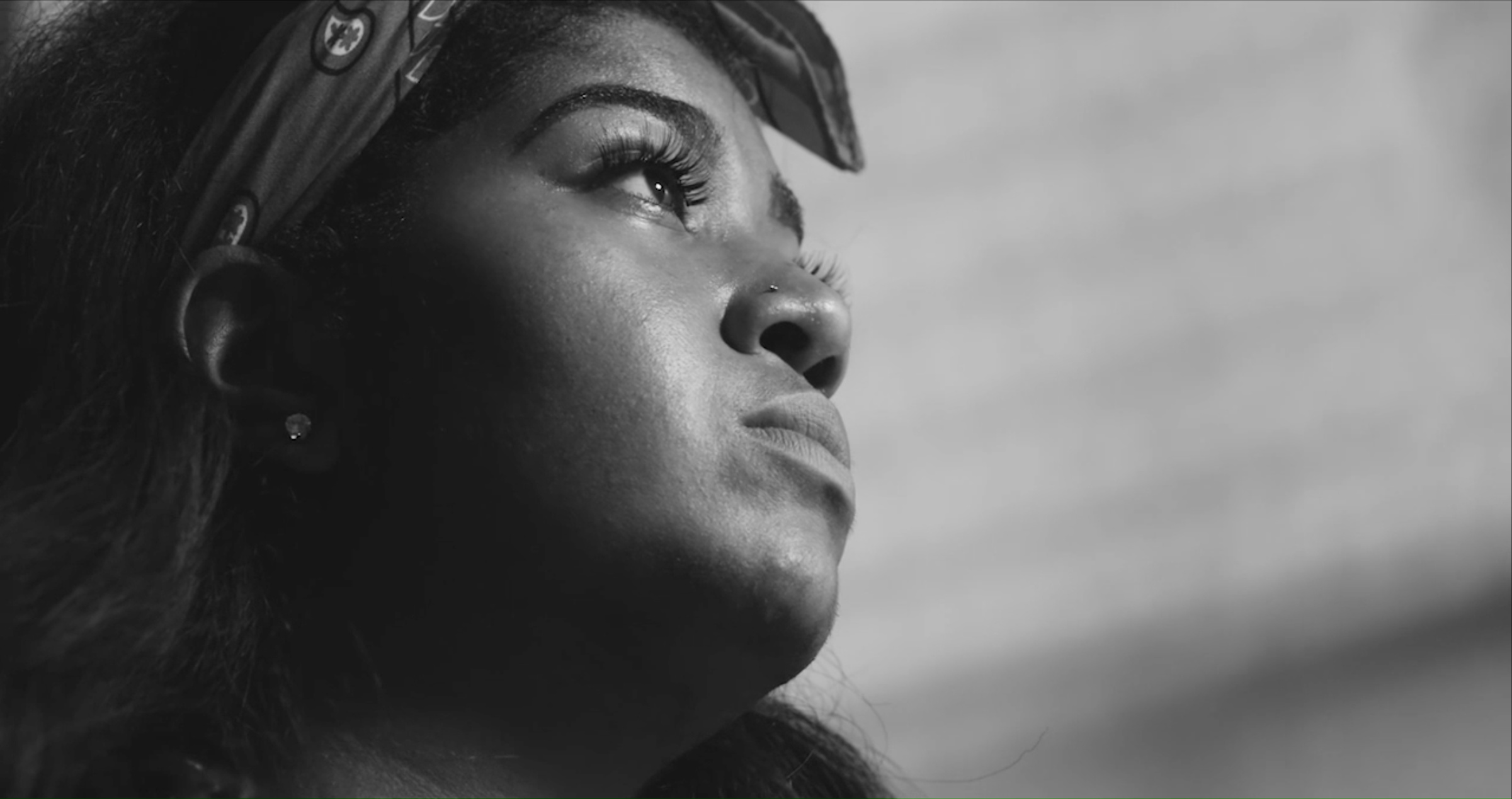
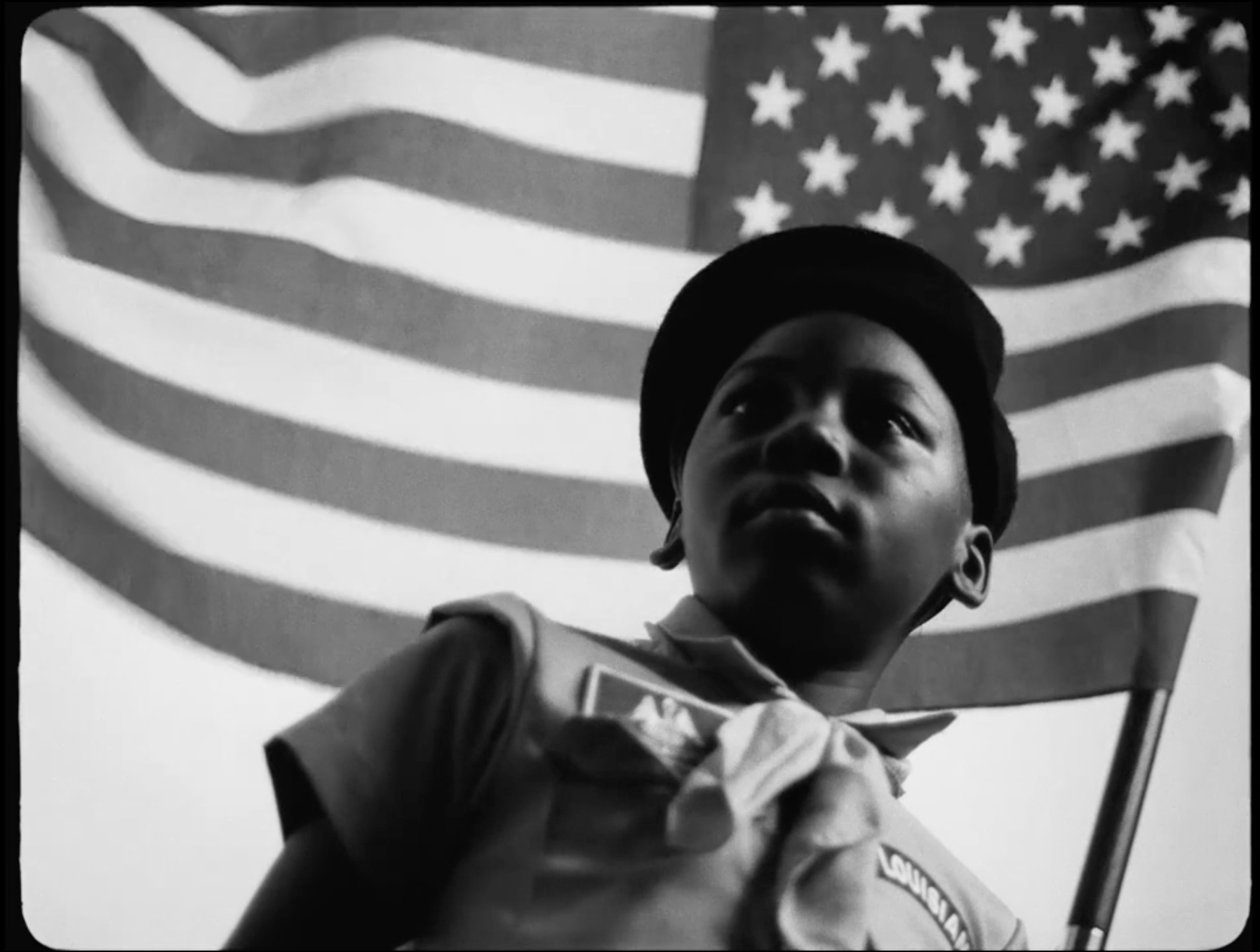
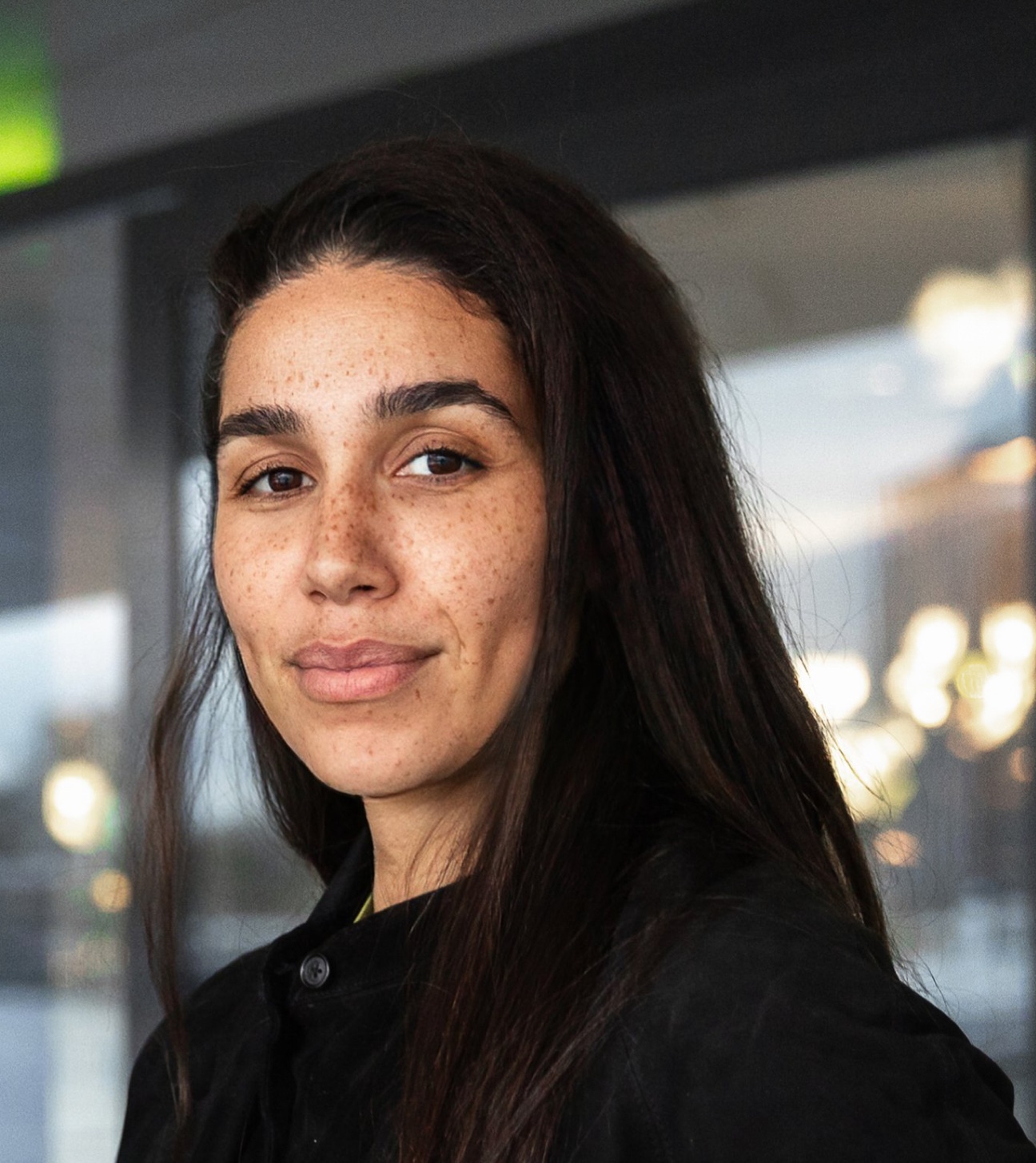
Garrett Bradley (born 1986) is an artist and filmmaker born and raised in New York City. Adopting archival material alongside newly shot footage, Bradley’s films exist simultaneously in the past, present, and future. Her films explore the space between fact and fiction, embracing modes of working and of representing history that blur the boundaries between the traditional notions of narrative and documentary cinema. In 2025, Garrett was named a 2025 MacArthur Fellow.
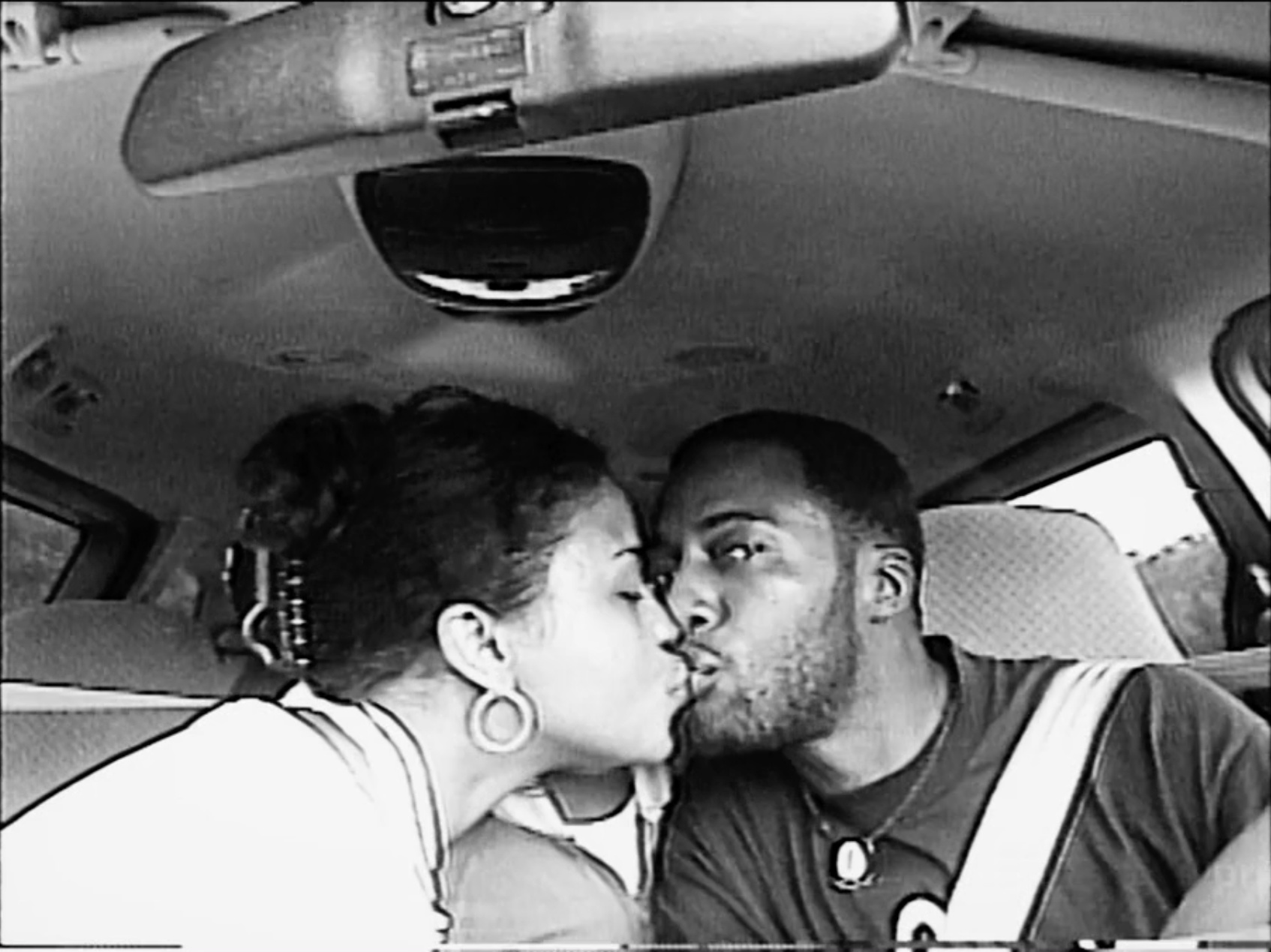
In 2020, she received an Academy Award nomination for her documentary Time, a searing yet tender portrayal of a mother fighting to reunite her family amidst a seemingly insurmountable prison sentence. Time has been nominated for over 57 awards and won 20 times, including becoming the first Black woman to win Best Director in Sundance’s US documentary category.
Additional awards and honors include being named a Guggenheim Fellow in the Creative Arts (2024), an International Documentary Association nomination (2019); Creative Capital Grantee (2019); Field of Vision Fellowship (2018); Warhol Foundation Grantee (2018), and the Sundance Jury Prize (2017) for her short film Alone, which was released by the New York Times Op Docs and became an Oscar contender for short nonfiction filmmaking, included in Academy Shortlist. Her short films and feature-length projects have also been exhibited internationally at museums and festivals, including the New Orleans Museum of Art, Whitney Museum of American Art, The J. Paul Getty Museum, Tribeca Film Festival, Festival du Nouveau Cinema, Rotterdam Film Festival, and SXSW.
Bradley was the second unit director on Ava DuVernay’s When They See Us, and in December 2019, she opened her first museum solo exhibition, Garrett Bradley: American Rhapsody, at the Contemporary Arts Museum Houston, curated by Rebecca Matalon. In the spring of 2023, Metrograph NY will present Devotion, a curated series focused on Bradley’s body of work. The event will include screenings, lobby installation, a book launch, and a special panel discussion.
What unites all of her works–whether in documentary mode or a gallery context–is a pervasive, all-seeing dream-like state that is both uplifting and celebratory of Black bodies and minds. She currently lives and works in New Orleans.